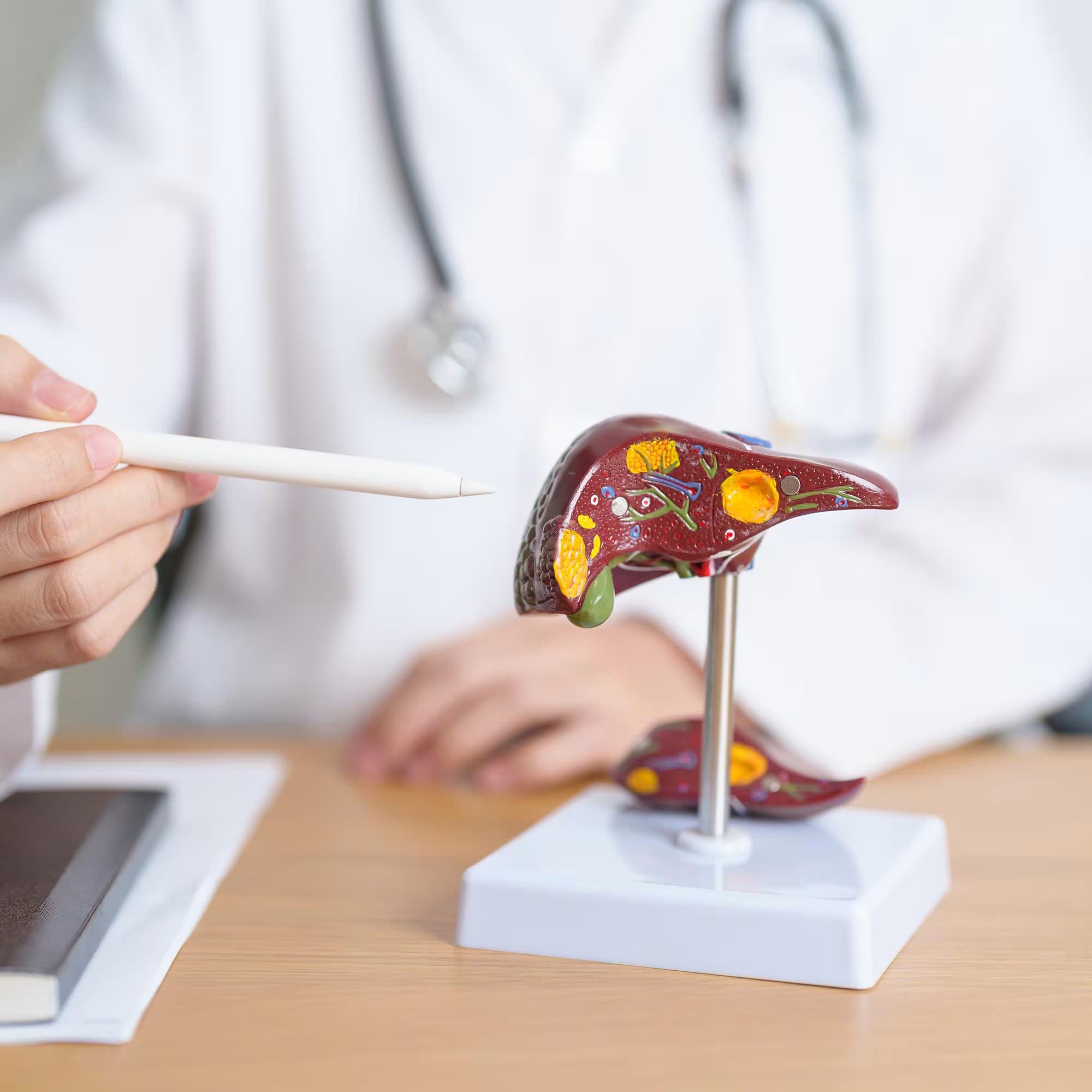
Gut Health
Restoring digestive balance for IBS, bloating, and gut microbiome disruption through personalised care.
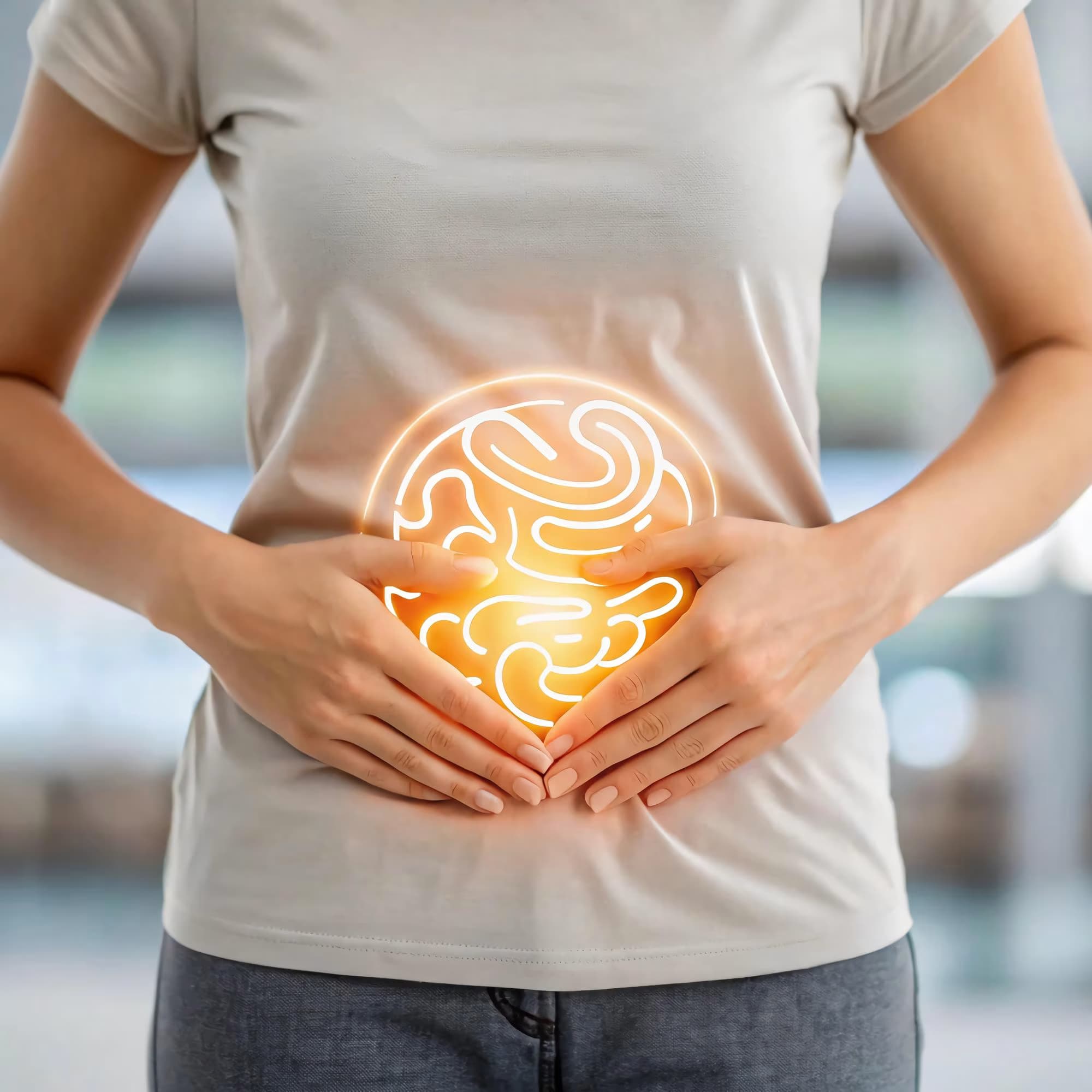
What We Treat
IBS
Irritable Bowel Syndrome causing cramping, bloating, and irregular bowel habits — often linked to gut-brain axis dysfunction and trigger foods.
Bloating
Persistent abdominal distension, commonly tied to food intolerances, slow digestion, or an imbalanced gut microbiome.
Constipation
Infrequent or difficult bowel movements addressed through fibre, hydration, gut motility support, and root-cause investigation.
Acid Reflux
Stomach acid rising into the oesophagus, causing burning discomfort — often improved by identifying dietary and lifestyle triggers.
GERD
Chronic, more severe acid reflux requiring a structured plan to protect the oesophagus and reduce long-term flare-ups.
Digestive Issues
General digestive discomfort — gas, irregularity, or sluggish digestion — approached through a personalised gut-health assessment.
Gut Microbiome
The balance of bacteria in your gut, central to digestion, immunity, and even mood — supported through diet and targeted protocols.
Food Intolerances
Difficulty digesting specific foods, identified through elimination and reintroduction to reduce symptoms without unnecessary restriction.
SIBO
Small Intestinal Bacterial Overgrowth, a common hidden driver of bloating and IBS-like symptoms, addressed through targeted treatment.
What is Gut Health?
Gut Basics
The overall functioning of your digestive system — from breaking down food to absorbing nutrients — and its influence on immunity, mood, and long-term wellbeing.
The trillions of bacteria, fungi, and other microbes living in your intestines that influence digestion, immunity, and even mental health.
Both beneficial and harmful bacteria coexist in the gut — the balance between them determines how well you digest food and fight off illness.
The two-way communication network between your gut and brain, explaining why stress upsets digestion and why gut issues can affect mood.
Roughly 70% of your immune system resides in the gut — a healthy microbiome is one of the strongest defences against illness.
Symptoms
A feeling of fullness or swelling in the abdomen, often caused by gas, slow digestion, or food intolerances.
Excess gas production from fermentation of undigested food by gut bacteria — usually linked to specific foods or an imbalanced microbiome.
Infrequent or difficult bowel movements, often improved with fibre, hydration, and gut motility support.
Frequent, loose stools that can signal infection, food intolerance, or an underlying digestive disorder.
Cramping or discomfort in the stomach area, commonly tied to IBS, trapped gas, or inflammation.
Discomfort or burning after eating, often linked to slow digestion, overeating, or acid imbalance.
Stomach acid rising into the oesophagus, causing a burning sensation — often triggered by specific foods and eating habits.
Conditions
Irritable Bowel Syndrome — a chronic condition causing cramping, bloating, and irregular bowel habits, often linked to gut-brain axis dysfunction.
Small Intestinal Bacterial Overgrowth — excess bacteria in the small intestine that drives bloating and nutrient malabsorption.
Chronic, more severe acid reflux that can damage the oesophagus over time if left untreated.
Increased intestinal permeability that allows particles to pass into the bloodstream, potentially triggering inflammation.
An imbalance between beneficial and harmful gut bacteria, linked to bloating, low immunity, and mood changes.
Food
Essential for feeding beneficial gut bacteria and keeping digestion regular — most people don't get nearly enough of it.
Yogurt, kefir, kimchi, and other fermented foods introduce beneficial live bacteria that support microbiome diversity.
Live beneficial bacteria, whether from food or supplements, that help restore and maintain a healthy gut balance.
The fibre that feeds probiotic bacteria — found in foods like garlic, onions, and bananas — essential for a thriving microbiome.
Excess sugar feeds harmful bacteria and yeast, disrupting microbiome balance and increasing inflammation.
Low in fibre and high in additives, these foods reduce microbiome diversity and are linked to poorer gut health.
Lifestyle
Poor sleep disrupts the gut microbiome, and in turn, an imbalanced gut can worsen sleep quality — the relationship runs both ways.
Chronic stress alters gut motility and microbiome composition via the gut-brain axis, often triggering or worsening digestive symptoms.
Regular movement increases microbiome diversity and supports healthy digestion and motility.
Antibiotics can wipe out beneficial bacteria alongside harmful ones — rebuilding the microbiome afterward is an important part of recovery.
Our Approach
Digestive symptoms are rarely isolated — they're usually a signal from the gut microbiome, food sensitivities, or stress physiology. We map your triggers and rebuild gut function step by step, instead of just managing symptoms.