Fatty Liver: The Complete Guide
Excess fat buildup in liver cells, often reversible through targeted diet and lifestyle changes before it progresses further.
What is Fatty Liver?
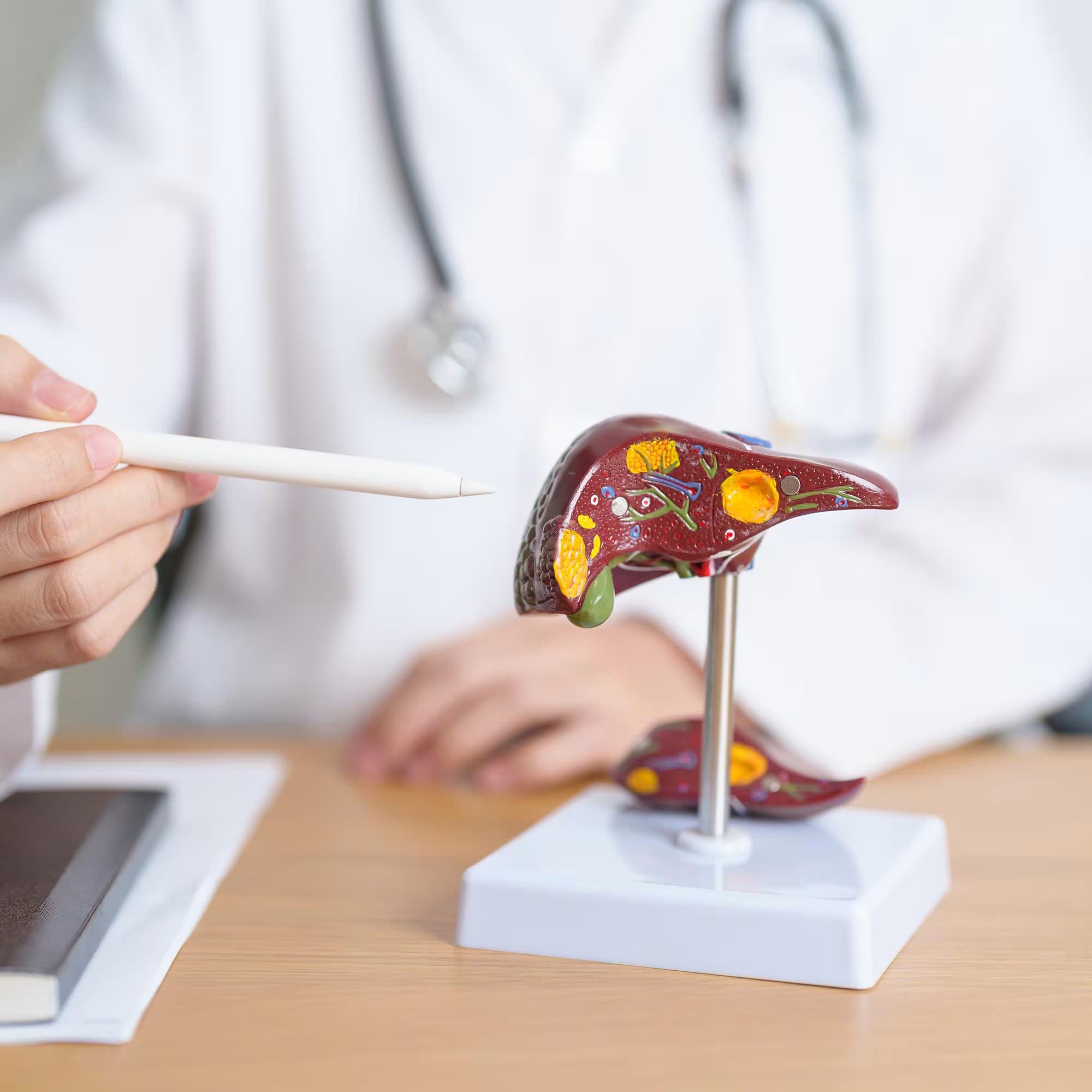
Fatty liver — clinically known as hepatic steatosis — happens when fat accumulates in liver cells beyond what's considered healthy. For most people this has nothing to do with alcohol; it's driven by diet, insulin resistance, and metabolic health, which is why it's so often grouped with prediabetes, obesity, and metabolic syndrome. Left unaddressed, it can progress silently over years — but caught early, it's one of the most reversible conditions we treat.
Symptoms
Fatty liver is often silent in its early stages. When symptoms do appear, they include fatigue, mild discomfort or fullness in the upper right abdomen, and unexplained weakness — rarely anything dramatic enough to prompt a doctor's visit on its own.
Causes
Poor diet, a sedentary lifestyle, insulin resistance, excess visceral fat, and rapid weight gain are the leading drivers. Alcohol plays a role too, though most cases we see (NAFLD/MASLD) are unrelated to alcohol.
Diagnosis
Usually picked up incidentally on an abdominal ultrasound or through elevated liver enzymes (ALT/AST) on a routine blood panel. A FibroScan or liver biopsy may follow to grade severity.
Diet
A liver-friendly diet centres on whole foods, fibre, healthy fats, and reduced refined sugar and processed carbohydrates — built around your specific metabolic markers rather than a one-size-fits-all liver diet.
Foods to Eat
Leafy greens, oats, berries, nuts, fatty fish, olive oil, garlic, and green tea all support liver fat metabolism and help reduce inflammation.
Foods to Avoid
Refined sugar, sugary drinks, fried foods, trans fats, excess red meat, and alcohol all accelerate fat accumulation in the liver and should be minimised.
Reversal
Early-stage fatty liver is highly reversible — most patients see measurable improvement in liver fat within 3–6 months of consistent diet, weight, and activity changes.
Exercise
Both aerobic exercise (brisk walking, cycling) and resistance training reduce liver fat independent of weight loss — 150+ minutes a week is a realistic starting target.
Blood Tests
Key markers we track include ALT, AST, GGT, fasting insulin, HbA1c, and a lipid panel — together they paint a fuller metabolic picture than liver enzymes alone.
Grade 1
Mild fat accumulation affecting less than a third of the liver — typically asymptomatic and fully reversible with lifestyle changes.
Grade 2
Moderate fat infiltration involving up to two-thirds of the liver — still reversible, but it requires a more structured intervention plan.
Grade 3
Severe fat accumulation affecting most of the liver tissue, carrying a higher risk of progression to fibrosis — needs close monitoring alongside lifestyle treatment.
Fatty Liver & Insulin Resistance
The two conditions feed each other — insulin resistance drives fat storage in the liver, and a fatty liver worsens insulin resistance. Treating one almost always improves the other.
Fatty Liver & Gut Health
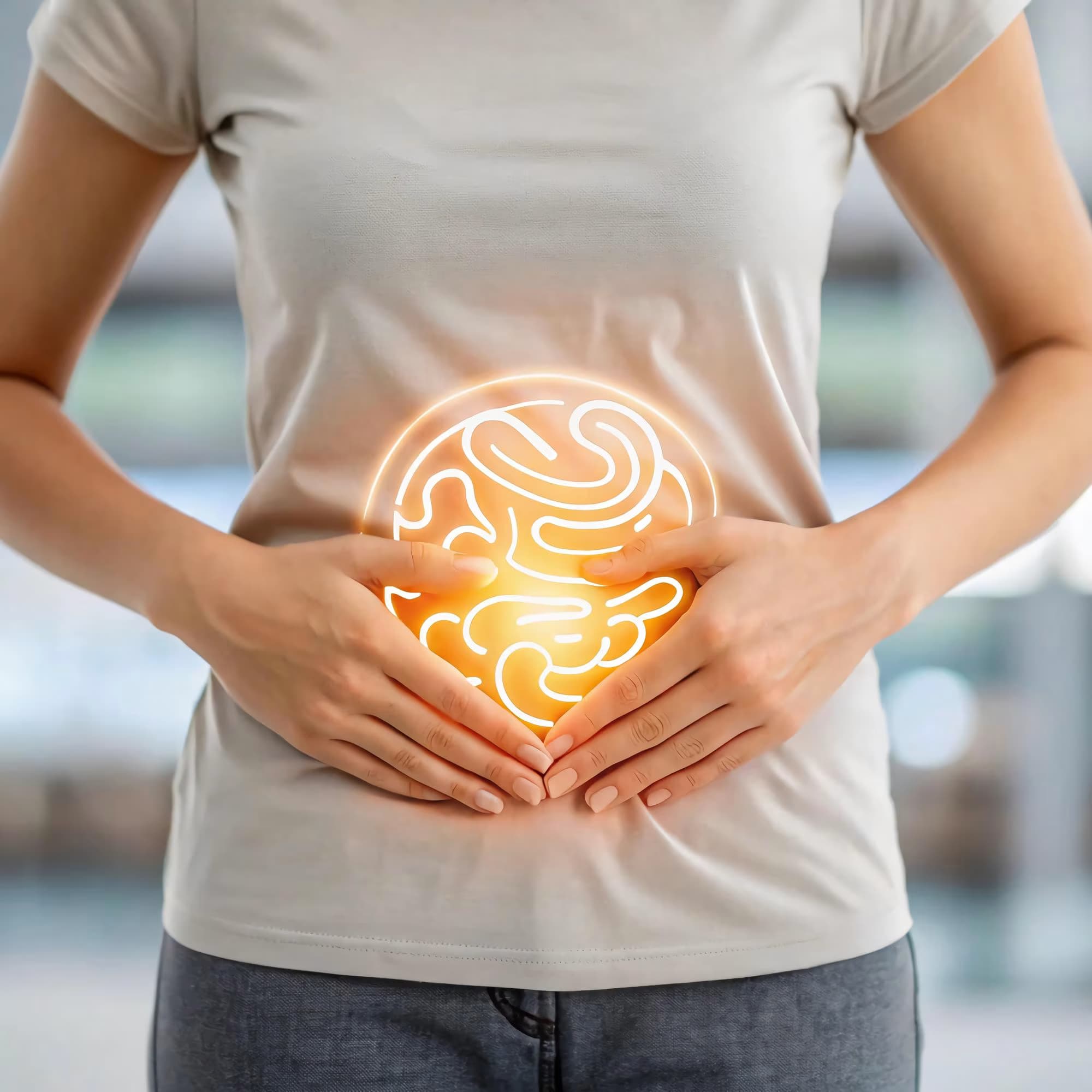
An imbalanced gut microbiome can increase intestinal permeability and inflammatory load on the liver — gut-health support is often part of a complete liver protocol.
Fatty Liver & Weight Loss
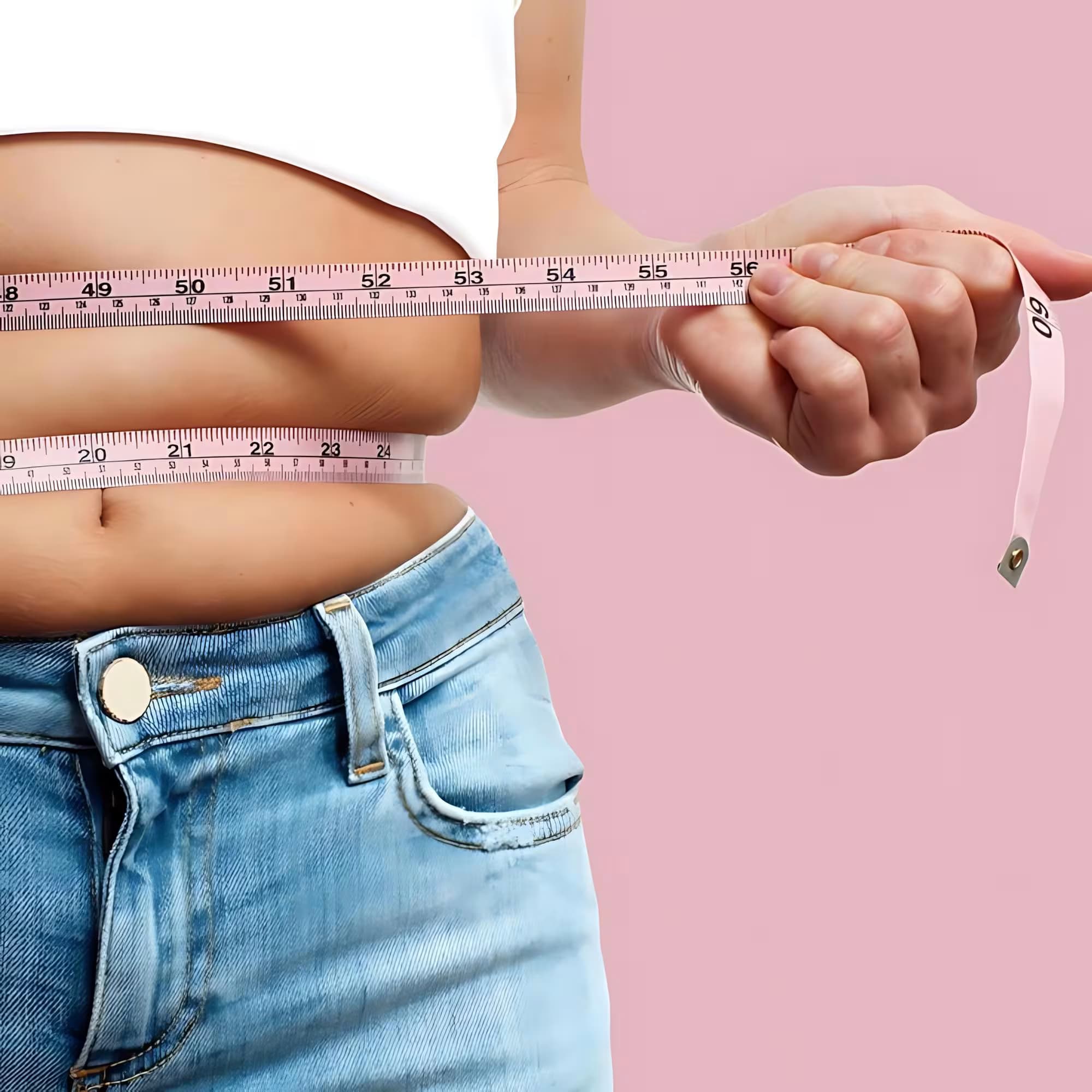
Losing just 7–10% of body weight can significantly reduce liver fat and inflammation — the target we build every nutrition plan around.
Indian Diet
A traditional Indian diet can be adapted for liver health by favouring whole grains over refined flour, increasing vegetables and legumes, and moderating ghee, fried snacks, and sweets.
Kerala Diet
Kerala's coconut- and rice-based diet can be liver-friendly with a few adjustments — leaning on fish, greens, and traditional spices while moderating coconut oil and polished rice portions.
Vegetarian Diet
A vegetarian approach works well for liver health when built around legumes, whole grains, nuts, and dairy in moderation, without relying on refined carbohydrates to fill the gap.
Fatty Liver in Men
Men tend to accumulate more visceral fat, raising fatty liver risk earlier — often alongside other metabolic syndrome markers like elevated triglycerides and blood pressure.
Fatty Liver in Women
Risk rises notably after menopause as hormonal shifts change fat distribution — PCOS is also an independent risk factor for fatty liver in younger women.